She Was Told Potty Training Would Be Hard. Her Son Was Out of Diapers by 18 Months.
If you’ve ever been told your child “probably won’t potty train easily” because of a diagnosis, this one’s for you.
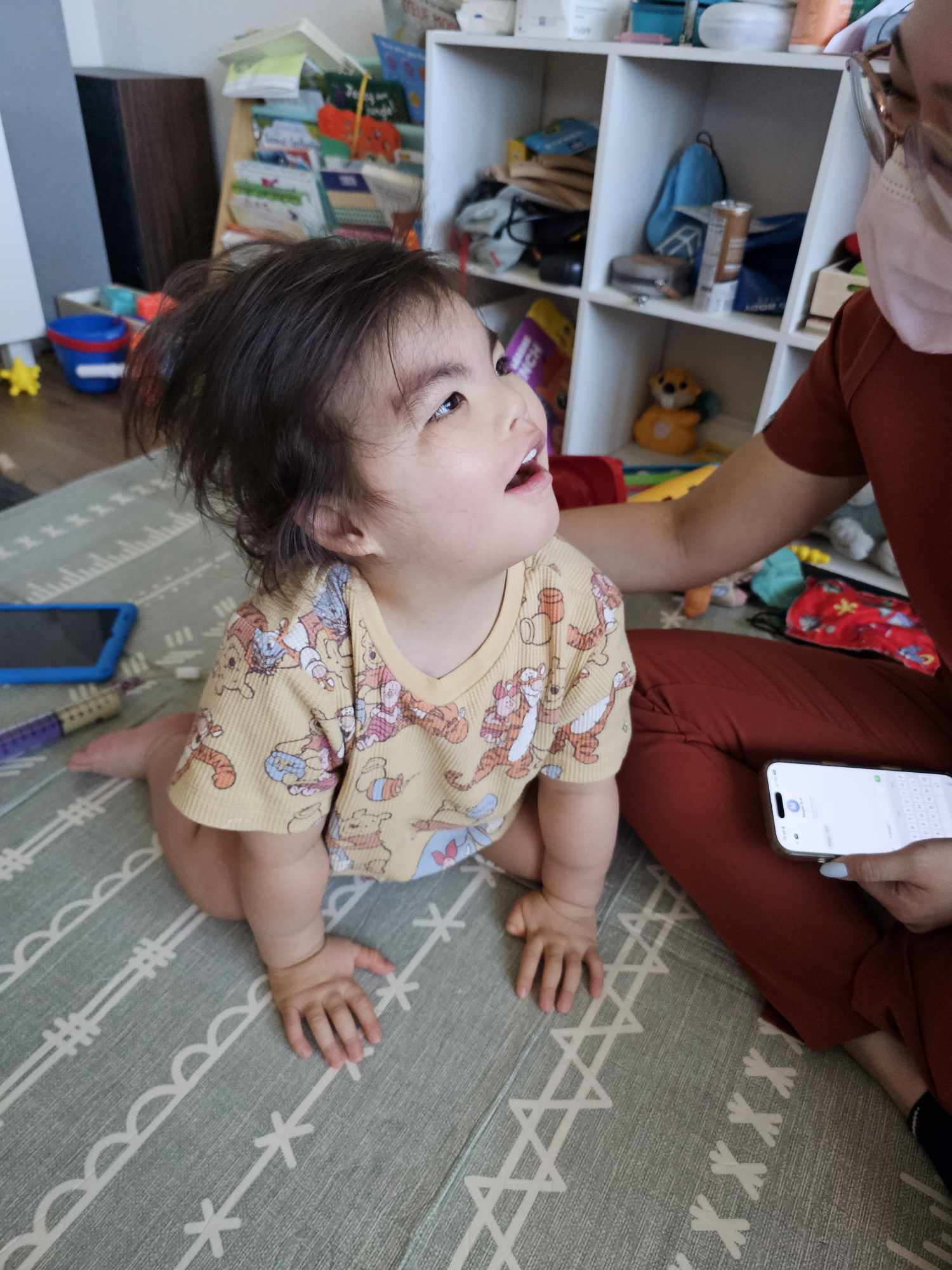
Victoria Vuong-Medeiros, from Las Vegas, found out during her pregnancy that her son had two rare genetic conditions: Cri du Chat Syndrome and a duplication on chromosome 3.
“I got a prenatal diagnosis, so I did a ton of research the last half of my pregnancy and learned that many CDC kids have a hard time potty training. This led me to learn about EC and I made it a goal.”
Two years on, her son is diaper-free, dry overnight, and lets her know when he needs to go, all without saying a word.
I Could See He Hated Being in Wet Diapers
Victoria and her son spent 86 days in the NICU after he was born. It turned out to be the starting point for his whole EC journey.
“We started practicing EC and cloth diapered full-time after coming home from our 86-day NICU stay. During our NICU time, I changed his diaper after every pee and every poop. I refused to let him fill up the diaper, so he got used to feeling dry and hated being wet.”
Not because someone told her to. Because she went looking for a better option than “wait and see,” and built the habit before he’d even left the hospital.
He Caught on Fast
“He caught on quickly! He was fully poop-trained by 8mo and nighttime dry by 12mo. He is 2yrs old now and we’ve been out of diapers since 18mo.” He’s also worked out his own system for tricky moments.
“He knows to hold it during car rides because he knows we’ll go potty as soon as I park. He has made his own gestures to let me know he needs to go since he isn’t verbal yet.” No words needed. Just consistency, and a mom who was paying attention.
Still Learning to Crawl, Already Out of Diapers
“He is just now learning to crawl, so we still carry him to the toilet and sit with him on it.”
This is the part that flips the usual assumptions about EC on their head. He was out of diapers before he could get himself to the toilet. Milestones didn’t set the timeline here. Communication did.
The Work Is Worth It
“It’s a lot of work, especially since he’s almost 40lbs, but it helps keep us fit, and more importantly, has taught our son to potty in the proper receptacles.” And her message to other parents of disabled kids is encouraging and to the point:
“I highly recommend practicing EC with any disabled children. They will surprise you with what they can do and how quickly they catch on.”
Why This Story Matters
This wee boy has a disability, but despite being told it would be difficult, his mom offered him the potty as a baby. Being offered the potty is a natural human need, just like eating. It’s instinctual. Babies, like all mammals, don’t naturally want to go in their clothing. Given the choice, they’ll prefer the potty. With dignity and support, a disabled child is still an abled child, able to potty.
The common assumption is that EC needs a baby who can sit, crawl, walk, and eventually say “potty.” Victoria’s son is proof that timeline doesn’t have to hold true.
He was communicating his needs through gestures before he was verbal, and going diaper-free before he could crawl. EC isn’t built on milestones. It’s built on connection, consistency, and paying attention to a baby’s natural cues, whatever body or brain they came with. That’s the whole premise behind Elimination Communication Babies: this is instinctive, adaptable, and far less complicated than diaper culture would have you believe.
EC and Disability: Your Questions Answered
Can Babies and Children with Disabilities Do Elimination Communication?
Yes.
EC is based on responding to a baby’s natural elimination cues and timing, not on hitting standard developmental milestones.
Many families of children with genetic conditions, developmental delays, or physical disabilities practice EC successfully, often adapting the process to suit their child’s specific needs, pace, and communication style.
What Is Cri du Chat Syndrome?
Cri du Chat Syndrome is a rare genetic condition caused by a missing piece of chromosome 5. It can affect development, muscle tone, and communication, and many children with the condition experience delays with speech and motor skills, which is often why families are told toilet training may take longer.
Does My Child Need to Be Verbal to Start EC?
No. EC doesn’t rely on words. Many families start EC with newborns, long before any child, disabled or not, has words.
Does My Child Need to Be Able to Sit, Crawl, or Walk to Start EC?
No.
EC can start from birth, with a parent holding the baby over a potty or receptacle in a supported position.
Children who aren’t yet mobile can still take part fully, as this story shows.
As your child’s physical abilities develop, EC simply adapts alongside them.
Is EC More Work for a Child with Additional Needs?
It can mean more hands-on involvement, particularly if your child needs to be carried or supported on the toilet, as Victoria describes.
But many parents find the consistency of EC actually reduces the guesswork and stress of trying to potty train later, especially when a diagnosis suggests toileting may be harder down the track.
Will EC Definitely Work for My Disabled Child?
Every child is different, and there’s no guarantee attached to any parenting approach.
What EC offers is a low-pressure, low-cost way to build toileting awareness early, based on your own child’s cues and timeline rather than a generic age or stage.
Progress over perfection: any amount of EC counts.
Start Where You Are
You don’t need:
- A perfect diagnosis-free baby
- A full diaper stash budget
- A toddler who can say “potty”
You need to be willing to pay attention, and to trust that your baby, whatever their needs, is already trying to tell you something.
Want the full how-to?
Elimination Communication Babies walks you through starting EC from day one, reading your baby’s cues, and building a routine that works for your family, disability or not.
Have your own EC story to share? We’d love to feature it. Get in touch through eliminationcommunicationbabies.com.
Step-by-step guidance for elimination communication from birth to toilet independence.