Climate Change, Nappies and Elimination Communication: A Smarter Solution for New Parents
If climate change is a concern, in this article Melissa Gunn outlines clever nappy and toilet solutions for your newborn.
It’s a common problem new parents face.
With a climate change emergency declared in New Zealand (not to mention in other countries around the world, climate change isn’t a one-country problem), what’s a struggling, sleep-deprived parent to do when they need to deal with their beloved child’s less-than-beloved waste?
What, in a word, do they do about poo?
Disposables or Cloth?
There are plenty of articles out there about disposable diapers versus reusable nappies, many of which focus on the number of disposables a baby will get through (over 5,000 in 2 and a half years!).
There’s also the cost factor (reusables win here, with less than half the cost of disposables, even with washing costs included).
But both reusables and disposables have a large impact on the environment, even the new biodegradable disposables.
So how can concerned parents do their best, not only for their child’s current wellbeing, but for the world their baby will grow up to inherit?
Assisting Baby to Go Toilet
For parents who are keen to learn to communicate with their baby, as well as do their bit to reduce their contribution to climate change, there is a way forward.
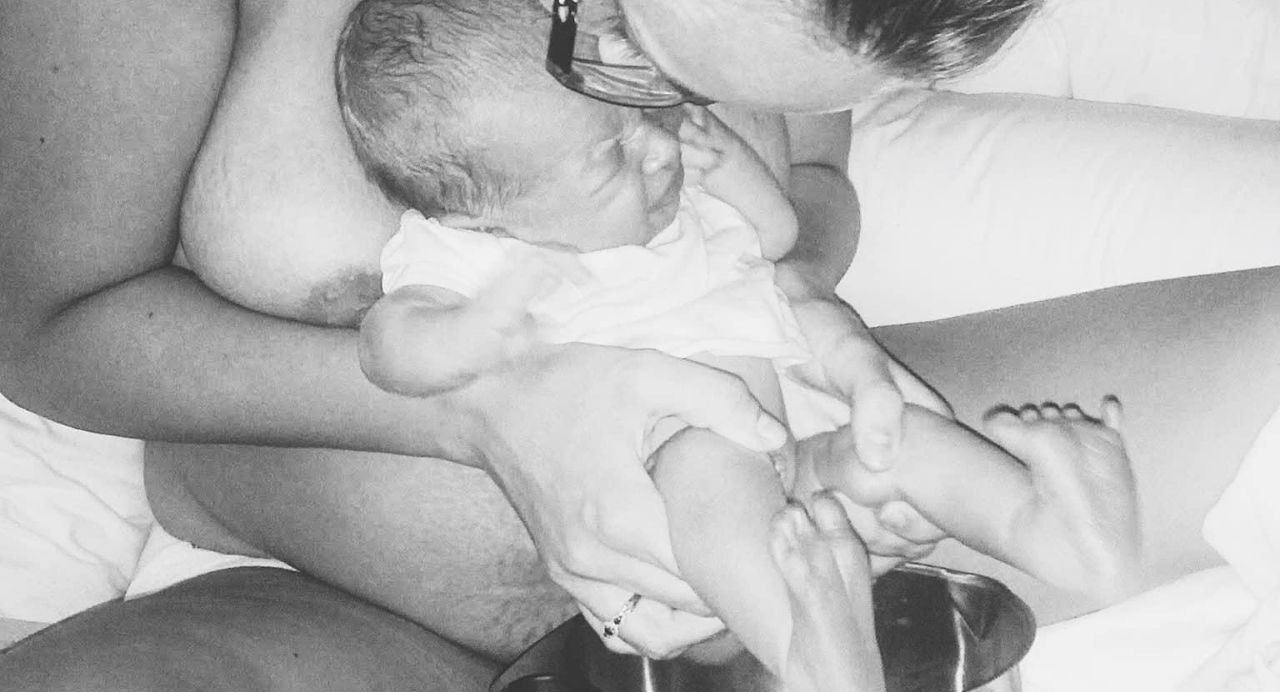
Enter ‘elimination communication’, sometimes known as natural infant hygiene, or in Kiwi terms, pottying your baby.
If you’re keen to learn more already, head on over to check out how at Elimination Communication Babies.
At this point, some of you might be experiencing a pause.
Why would I potty my baby, they’re too young to do that, they can’t hold on and why would I make them?
Peace, gentle reader.
Give me a moment of your time, and I’ll share some interesting facts.
Environmental Impact
The disposable nappy was invented in 1955.
Around the world, before that, most cultures either held their baby out when they needed to go (over a potty, a toilet, or a convenient patch of ground) or used cloth nappies with their concomitant washing burden.
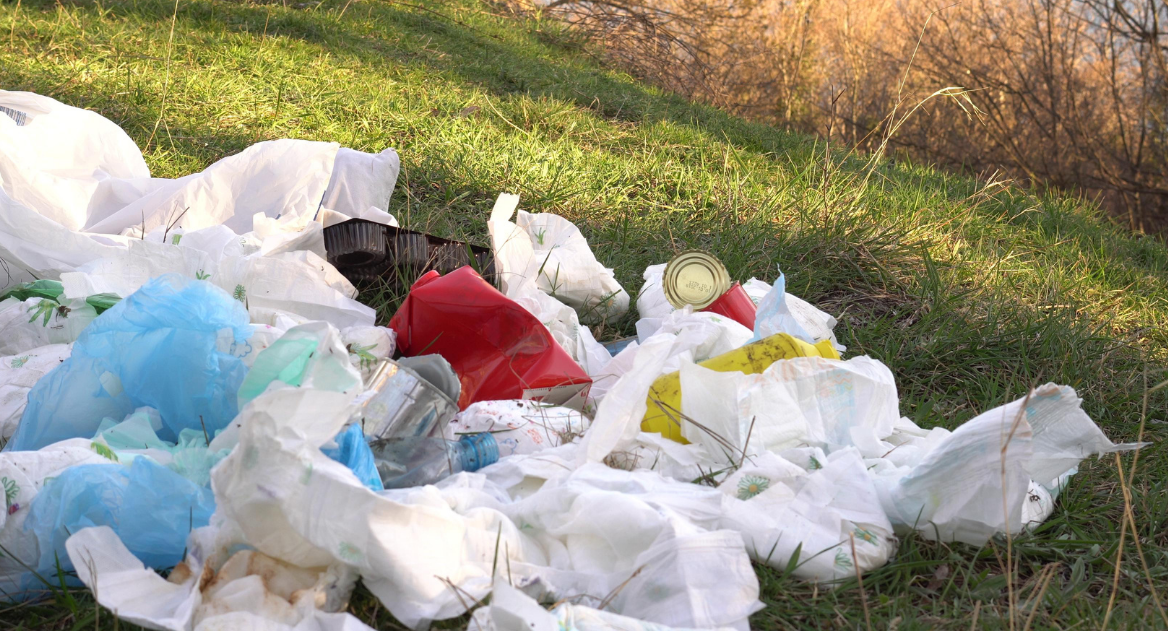
After disposable nappies were invented, they became extremely popular, but they produce a shit-ton of waste, if you’ll excuse the expression.
Some of that waste ends up in the Great Pacific Garbage Patch, more ends up in landfill.
Anyone who saw the images of the beach after the Fox River landfill disaster will agree that landfill isn’t a fail-safe disposal method.
Cloth nappies bring with them the issues of:
- Release of microplastics through washing (depending on what cloth your nappies are made from)
- Electricity use
- Water use
- Resources required to manufacture reusable nappies
Some preliminary research suggests that the microplastics issue may not be enormous for cloth nappies, unless they’re fleece. Disposables frequently contain much more plastic.
At least in New Zealand, a large proportion of our electricity comes from renewable sources.
(All that rain has got to be good for something, right.)
There’s no getting around the water used in washing, though, and no-one likes a dirty diaper.
So, What’s a Climate Change Conscious Parent to Do?
Most parents are unwilling or unable to let their baby go nappy-free.
(I can’t imagine any day-care centre that would allow such a thing, for a start.)
But there is a happy medium that can reduce your baby’s impact on the environment:
Elimination Communication.
Babies may not be able to hold on to their waste products, but they don’t eliminate without signalling that they’re about to do so.
Common cues include:
- Methane production (farts, to you & me)
- Grizzling
- Squirming
- Pushing away from you if you’re holding your baby
- Making faces
Plenty of cues that baby needs to get rid of some poo or pee, pronto.
Timing works well, too.
Most of us, babies included, need to eliminate when we wake up.
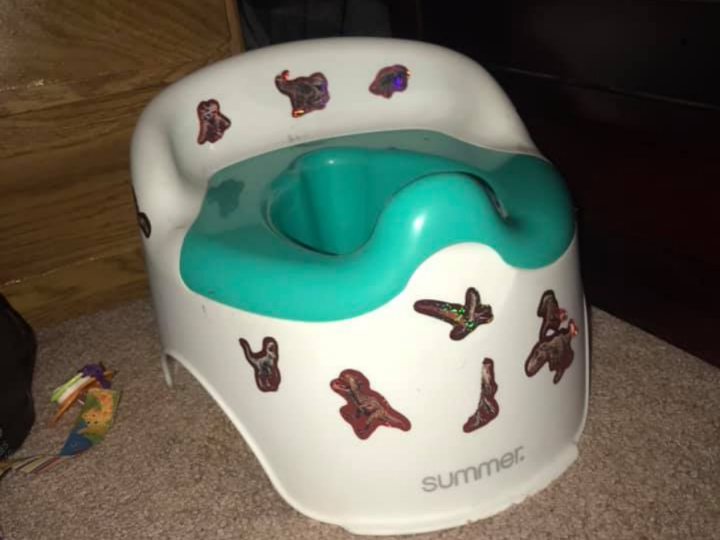
These are great times to try putting your baby on a potty or toilet (handy patches of ground not being generally viewed as appropriate toileting places).
If you are consistent with offering a potty or toilet to your baby, they’ll accept this as part of their normal routine.
One day, sooner rather than later, you’ll remove the eco-friendly cloth nappy from your darling one’s bottom, put them on a potty, and realise that the nappy is both clean and dry.
You’re one nappy closer to saving the world!
Bask in the glow of virtue-signalling combined with actual virtue.
An Extra Bonus
There’s another advantage here.
Babies who grow up with their parents practising elimination communication tend to be potty-trained much earlier than their fully nappied cohorts, many by 12 months or so.
That means:
- Months or years less nappy time
- Hundreds fewer disposable nappies, if that’s what you use
- Hundreds fewer washes, if you’re a cloth user
- Less wastewater
- Less landfill
All in all, tonnes less wastewater or landfill will be used by your pottied baby.
Photos
Step-by-step guidance for elimination communication from birth to toilet independence.